

Is the back of your house begging for a room that blurs the line between indoors and out, yet you’re unsure what the final bill might look like? We get it. You imagine sipping morning coffee bathed in natural light, but sticker-shock rumors keep you from moving forward.
In this guide, you’ll get a clear picture of the cost to build a sunroom addition, the factors that drive those numbers up or down, and how a well-planned space can return value year after year. Stick around, and you’ll leave knowing exactly what questions to ask, how to prioritize upgrades, and why a sunroom is more than just another project—it’s an investment in daily joy.
The Price Puzzle: What Really Affects Your Sunroom Investment?
Every sunroom is a unique story, but three big themes influence its final investment: climate control, materials, and design complexity. Let’s look at each in turn so you can gauge where your project might landÑ
3-Season vs. 4-Season: Comfort Meets Cost
A 3-season room is basically a protected porch—great from spring through fall in Missouri’s mild moments. A 4-season room is insulated, heated, cooled, and comfortable even when January snow settles. Expect a 4-season upgrade to add HVAC, thicker glass, and heavier framing—often 30–50% more than its 3-season counterpart. Yet that one change turns a limited-use porch into a year-round living room, office, or plant sanctuary.
Material Choices: Vinyl, Aluminum, or Wood?
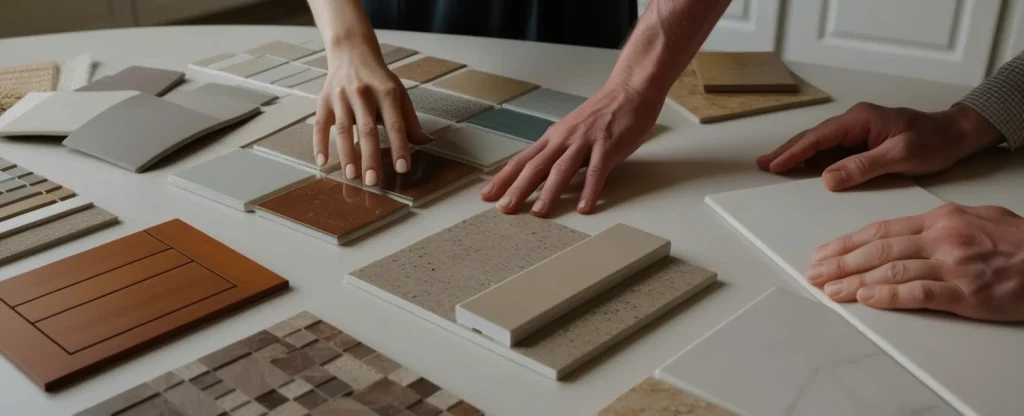
Vinyl frames are budget-friendly, durable, and easy to maintain. Aluminum resists rust and supports large panes for panoramic views. Wood delivers unmatched warmth and custom millwork, though it demands upkeep. Mix materials wisely. For example, pair aluminum roof beams with wooden interior trim so you get strength without sacrificing character.
Size and Design Complexity: From Simple Box to Custom Retreat
Square footage is obvious—the bigger the room, the bigger the cost. Yet shape matters just as much. A rectangular footprint with a single-slope roof costs less than a multi-gable oasis with motorized skylights, floor-to-ceiling glass, and stone accent walls. Built-ins—think wet bars, fireplaces, or heated tile floors—also push numbers upward but can drive resale value and personal enjoyment.
Crunching the Numbers: Typical Investment Ranges
How much would it cost to build a sunroom? Let’s demystify the ranges with real-world averages:
| Sunroom Type | Size (sq ft) | Material | Typical Investment | Notes |
| 3-Season Basic | 150–200 | Vinyl | $35k–$50k | Sliding windows, ceiling fan |
| 3-Season Premium | 200–300 | Aluminum | $50k–$70k | Better glass, custom trim |
| 4-Season Classic | 200–300 | Hybrid (Alum + Wood) | $70k–$95k | Insulated roof panels, HVAC tie-in |
| 4-Season Luxe | 300–450 | Wood | $95k–$150k+ | Radiant heat, stone fireplace, smart glass |
Numbers include foundations, permits, and professional labor—crucial for a safe, weather-tight build. Regional labor rates can vary 5–10 %, but the table reflects current pricing in your area.
Why the Investment Pays Off: Understanding ROI
A sunroom rarely pencils out like a kitchen remodel, but it delivers a unique blend of financial and lifestyle returns that savvy homeowners appreciate.
Financial Upside
- Appraisal bump: Quality sunrooms can add 50–80 % of their cost to your home’s market value, especially when integrated seamlessly with existing architecture.
- Faster resale: Homes with bright flex spaces stand out in St. Louis listings, often reducing time on market.
- Energy savings: A well-designed 4-season room acts as a solar buffer, reducing heating costs during sunny winter days.
Lifestyle Upside
- Year-round natural light that lifts mood and promotes healthy circadian rhythms.
- A flexible venue for family gatherings, holiday dinners, or remote work.
- Protection from bugs, pollen, and sudden Midwest thunderstorms without giving up the outdoor vibe.
Combine those perks and your sunroom starts to look less like an expense and more like a daily dividend.
Conservatory, Solarium, or Traditional Sunroom?
Some homeowners consider elevated glass structures instead of a standard build, and understanding the differences between a conservatory, solarium, and a traditional sunroom helps clarify which path fits your vision and investment:
Conservatory Addition to House
A conservatory addition to the house stands out for its fully glazed roof and walls, creating a dramatic, greenhouse-like atmosphere that requires custom structural glass and advanced climate control. Because it’s essentially a glass architecture piece, expect longer lead times, specialized engineering, and premium materials that push investment per square foot well above other options. It’s ideal if you want a showpiece that doubles as a botanical retreat or high-impact entertaining space.
Solarium Addition to the House
A solarium addition to the house differs by using large glass walls paired with a more traditional roof system, giving you panoramic views without the full glass ceiling of a conservatory. This design often streamlines engineering while still demanding high-performance glazing to manage heat gain, glare, and year-round comfort. Homeowners choose solariums when they want maximum sunlight with slightly more predictable climate control and lower structural complexity.
Traditional Sunroom
A traditional sunroom blends glass walls with solid roofing, offering the light-filled experience people love without the specialty glazing or engineered framing required for conservatories and solariums. This option typically delivers the best value, integrates seamlessly with existing architecture, and offers easier temperature regulation—especially when designed as a 4-season room. It’s the most common choice for homeowners seeking comfort, flexibility, and strong ROI.
Maximizing Value: Steps to a High-Return Sunroom
You’ve seen the numbers. Now here’s how to turn those dollars into lasting value:
Plan With Purpose
Pin down why you need the room, whether it’s a Sunday brunch spot, plant nursery, or grandkid play zone, and you’ll know which upgrades matter. For instance, chefs at heart might choose an outdoor kitchen just beyond bi-fold doors, blending interior joy with alfresco grilling.
Integrate, Don’t Tuck On
A sunroom that feels “bolted to the back” never commands top dollar. Match rooflines, materials, and floor levels so flows feel intentional. Thoughtful integration invites appraisers to count the space alongside your heated square footage.
Future-Proof Systems
Install sufficient electrical, Wi-Fi, and insulation now, even if you envision simple wicker furniture today. Your needs may grow to include smart-home tech or workout equipment.
Pick the Right Partner
Licensed, experienced builders who specialize in home renovations know how to weave structural requirements with design dreams. They’ll also coordinate permits across your state and neighboring municipalities, sparing you red-tape headaches. A reputable builder can also map out timelines, specifications, and financing so you understand the precise cost to build a sunroom addition before demolition ever begins.
Brighter Living Starts Here With Studio Epik
You’ve explored the factors that shape a sunroom investment, but what matters most is how a space like this could change the way you live—more light in your mornings, more room for family gatherings, and a quiet place to unwind when the day feels full. When you picture those moments, it becomes clear that a sunroom isn’t just a project. It’s something that adds ease, comfort, and a little more joy to your everyday rhythm.
At Studio Epik, we build with that intention in mind. Our designers and project managers walk with you through every decision so the process feels calm, clear, and rooted in what you want your home to become. If you’re imagining a space that feels seamless, personal, and built to last through every Midwest season, we’re here to make it real.